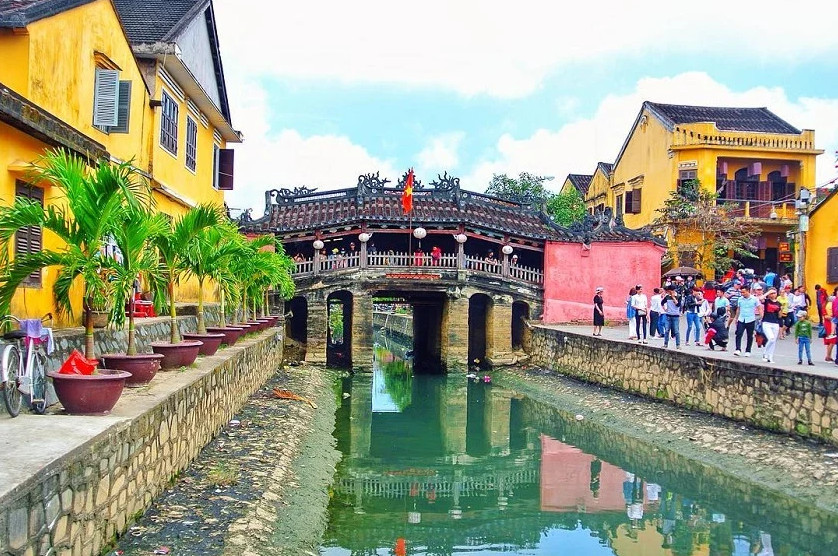
The Ultimate Hoi An Ancient Town Travel Guide: Vietnam’s Timeless Heritage Gem
Discover the rich history, golden yellow architecture, lantern-lit streets, and world-class cuisine of Vietnam’s most romantic historic port.

Nestled along the tranquil banks of the Thu Bon River in Quang Nam Province, Hoi An Ancient Town is widely celebrated as one of Southeast Asia’s most charming and well-preserved historical destinations. Recognized as a UNESCO World Heritage Site in 1999, this atmospheric trading port effortlessly blends centuries of rich international culture, distinctive architectural wonders, vibrant street life, and world-class culinary traditions.
Whether you are strolling through pedestrian-only lanes shaded by glowing silk lanterns, tailoring a custom suit in under 24 hours, or savoring regional delicacies at a riverside cafe, Hoi An offers an unforgettable journey into Vietnam’s storied past.
The Fascinating History of Hoi An Ancient Town
To truly appreciate Hoi An, one must understand its pivotal role in international maritime history. Between the 15th and 19th centuries, Hoi An (then known to Western traders as Faifo) flourished as one of the major commercial trading ports of Southeast Asia.
Due to its strategic coastal location along the Maritime Silk Road, merchant ships from Japan, China, Portugal, Spain, the Netherlands, and France docked here for months at a time, waiting for favorable seasonal monsoon winds to carry them home. Many foreign traders established permanent communities in the town, leaving behind an extraordinary fusion of architectural and cultural influences:
Chinese Merchants
Constructed ornate assembly halls (Hoi Quan) and family shrines dedicated to sea deities and ancestral worship.
Japanese Traders
Built sturdy wooden structures and the famous covered bridge that remains an iconic symbol of the town today.
European & French Era
Added distinctive yellow-painted plaster facades, louvered wooden shutters, and romantic balcony railings.
When the Thu Bon River silted up in the late 19th century, major shipping traffic shifted to nearby Da Nang. Paradoxically, this economic decline saved Hoi An from modern industrial development, preserving its centuries-old layout virtually intact.
Architectural Highlights: What to See
The core heritage zone covers roughly 30 hectares containing over 1,000 protected timber-frame structures. Exploring these historic landmarks feels like stepping into an open-air museum.

- Fujian Assembly Hall (Phuc Kien): Dedicated to Thien Hau, goddess of the sea.
- Cantonese Assembly Hall (Quang Dong): Famous for its impressive dragon fountain.
- Chaozhou Assembly Hall (Trieu Chau): Renowned for its intricate wood carvings.
- Tan Ky Old House: A 200-year-old home demonstrating a harmonious blend of Vietnamese, Japanese, and Chinese architectural elements.
- Phung Hung Ancient House: A timber masterpiece supported by 80 heavy ironwood pillars that have survived centuries of seasonal flooding.
Unforgettable Cultural Experiences

1. The Magical Night Market and Lantern Festival
As night falls, streetlights yield to thousands of hand-crafted silk lanterns illuminating every lane. Visitors can hop aboard a traditional wooden boat on the Hoai River to release floating paper lanterns carrying wishes for peace and good fortune.
2. Custom Bespoke Tailoring
Hoi An is internationally renowned as the custom tailoring capital of Asia. Hundreds of local tailors can design and stitch high-quality suits, evening dresses, leather coats, and shoes in as little as 24 to 48 hours.
Pro Tailoring Tip
Bring photos or clear design references, choose high-grade breathable fabrics like linen or silk, and plan for at least two fitting sessions to ensure a flawless cut.
Culinary Delights: What to Eat in Hoi An
Hoi An’s gastronomy is uniquely distinct from northern and southern Vietnamese cuisine, heavily influenced by its micro-climate and historical trade routes.
| Dish Name | Description | Key Ingredients |
|---|---|---|
| Cao Lau | The signature noodle dish of Hoi An with a distinct chewy texture. | Rice noodles in lye water, sliced roast pork (Xa Xiu), crispy rice crackers, local greens. |
| Banh Mi Hoi An | The ultimate Vietnamese baguette sandwich packed with flavor. | Crispy baguette, pate, grilled meats, pickled papaya, cilantro, savory sauces. |
| White Rose (Banh Vac) | Delicate translucent rice flour dumplings shaped like flowers. | Spiced shrimp or pork filling, topped with crispy fried shallots and sweet dip. |
| Mi Quang | A savory central Vietnamese noodle dish with rich broth. | Turmeric rice noodles, pork, shrimp, quail eggs, peanuts, sesame crackers. |
| Com Ga (Chicken Rice) | Fragrant shredded chicken served over seasoned yellow rice. | Chicken broth rice, turmeric, shredded poached chicken, fresh herbs, chili jam. |
Practical Travel Guide
Best Time to Visit
Dry Season (February – July): Ideal for clear skies and outdoor activities. February to April offers pleasant temperatures averaging 25°C to 28°C.
Wet Season (August – January): Expect heavy monsoon rains and occasional river flooding, especially in October and November.
How to Get There
Fly into Da Nang International Airport (DAD), located 30 km north of Hoi An.
- Private Car / Grab: ~45 mins ($12–$18 USD)
- Shuttle Bus: Direct hotel transfer ($5–$7 USD per seat)
- Motorbike: Scenic 45-minute coastal drive
Top Day Trips Near Hoi An
An Bang & Cua Dai Beaches
Located just 4–5 km from Old Town, offering soft golden sand, relaxed beach bars, and fresh seafood.
My Son Sanctuary
A UNESCO-listed ancient Hindu temple complex built by the Champa Empire, situated 40 km inland.
Cam Thanh Coconut Village
Take a fun basket boat tour through scenic nipa palm waterways and watch local basket boat spinning.
Tra Que Vegetable Village
A quiet organic farming community offering hands-on gardening tours and traditional cooking classes.

admin
Travel stories, practical guides, and destination inspiration from Ginatour.